

Hey there! I'm a supplier of Hgr Rails, and today I'm gonna chat about how to use callbacks in Hgr Rails models. It's a topic that's super important if you're working with these rails, so let's dive right in.
First off, what are callbacks in Hgr Rails models? Well, callbacks are methods that get executed at specific points in the life cycle of an object in a Rails application. In the context of Hgr Rails, these callbacks can be used to perform various tasks like validating data, updating related records, or logging events.
Let's start with the basics. There are different types of callbacks, and the most common ones are before_save, after_save, before_create, and after_create. The before_save callback is called right before an object is saved to the database. This is a great place to perform any last - minute validations or data manipulations. For example, if you're dealing with a HgrRails model, you might want to make sure that the length and width values are within a certain range before saving the record.
class HgrRails < ActiveRecord::Base
  before_save :validate_dimensions

  private

  def validate_dimensions
    if length < 10 || width < 5
      errors.add(:base, "Invalid dimensions for Hgr Rails")
      return false
    end
  end
end
In this code snippet, the validate_dimensions method is called before the HgrRails object is saved. If the dimensions are invalid, an error is added, and the save operation is halted.
The after_save callback, on the other hand, is called after the object has been successfully saved to the database. This can be useful for tasks like sending notifications or updating related records. For instance, if you have a related model that keeps track of the inventory of Hgr Rails, you can update the inventory count after a new Hgr Rails record is saved.
class HgrRails < ActiveRecord::Base
  after_save :update_inventory

  private

  def update_inventory
    Inventory.find_by(rail_type: 'Hgr').increment(:count).save
  end
end
Now, let's talk about before_create and after_create. The before_create callback is similar to before_save, but it's only called when a new object is being created (not when an existing object is being updated). This can be used to set default values for new records. For example, if your Hgr Rails have a default coating type, you can set it in the before_create callback.
class HgrRails < ActiveRecord::Base
  before_create :set_default_coating

  private

  def set_default_coating
    self.coating = 'Standard Coating' if coating.nil?
  end
end
The after_create callback is called after a new object has been successfully created and saved to the database. You can use this to perform actions like sending a welcome email to the customer who just ordered the Hgr Rails or creating related records.
One thing to keep in mind when using callbacks is that they can make your code more complex if not used carefully. Too many callbacks can lead to hard - to - debug issues, so it's important to use them sparingly and only when necessary.

Another aspect to consider is the order in which callbacks are executed. Rails executes callbacks in the order they are defined in the model. So, if you have multiple before_save callbacks, they will be executed one after the other in the order they appear in the code.
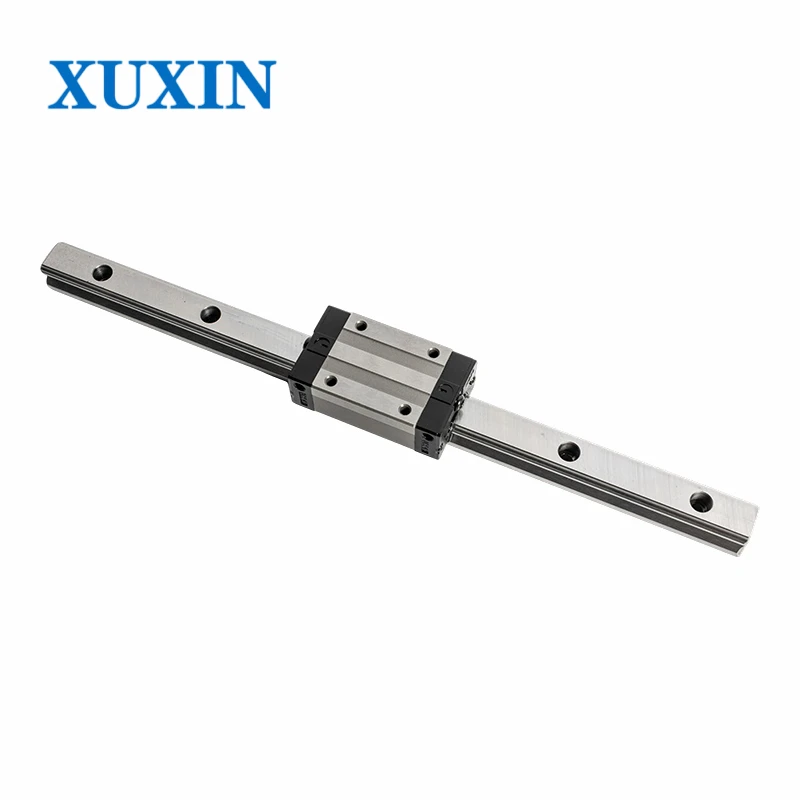
Now, let's take a look at how these callbacks can be related to the products we offer. We supply Hgr Rails, which are high - quality linear guide rails used in various industrial applications. These rails come in different types, and you can learn more about Linear Guide Rail Types on our website. One of our popular products is the GHH - CA Linear Guide, which offers smooth and precise linear motion.
When you're working with models related to these products in a Rails application, callbacks can help you manage the data more effectively. For example, if you're building an e - commerce application to sell Hgr Rails, you can use callbacks to handle things like order processing, inventory management, and customer notifications.
If you're interested in using Hgr Rails in your projects or need more information about how to integrate them into your Rails applications, don't hesitate to reach out. We're here to help you with all your Hgr Rails needs, whether it's choosing the right type of rail, understanding the technical specifications, or getting support with your Rails models.
In conclusion, callbacks in Hgr Rails models are a powerful tool that can help you automate tasks, validate data, and manage relationships between records. By using them effectively, you can make your Rails applications more robust and efficient. So, start experimenting with callbacks in your Hgr Rails models and see how they can improve your workflow.
If you're ready to take the next step and start using our Hgr Rails in your projects, or if you have any questions about callbacks or our products, feel free to contact us for a purchase discussion. We're looking forward to working with you!
References
- Rails Guides: Active Record Callbacks
- Ruby on Rails Documentation