

Hey there! As a supplier of Kh Linear Bearings, I often get asked a bunch of questions from customers. One of the most common ones is, "Does Kh Linear Bearing need pre - loading?" Well, let's dive right into this topic and break it down.
First off, let's understand what pre - loading is. Pre - loading in linear bearings is like giving them a little extra oomph right from the start. It's a technique where we apply an initial load to the bearing before it starts doing its actual job. This can be done in various ways, depending on the design and requirements of the bearing system.
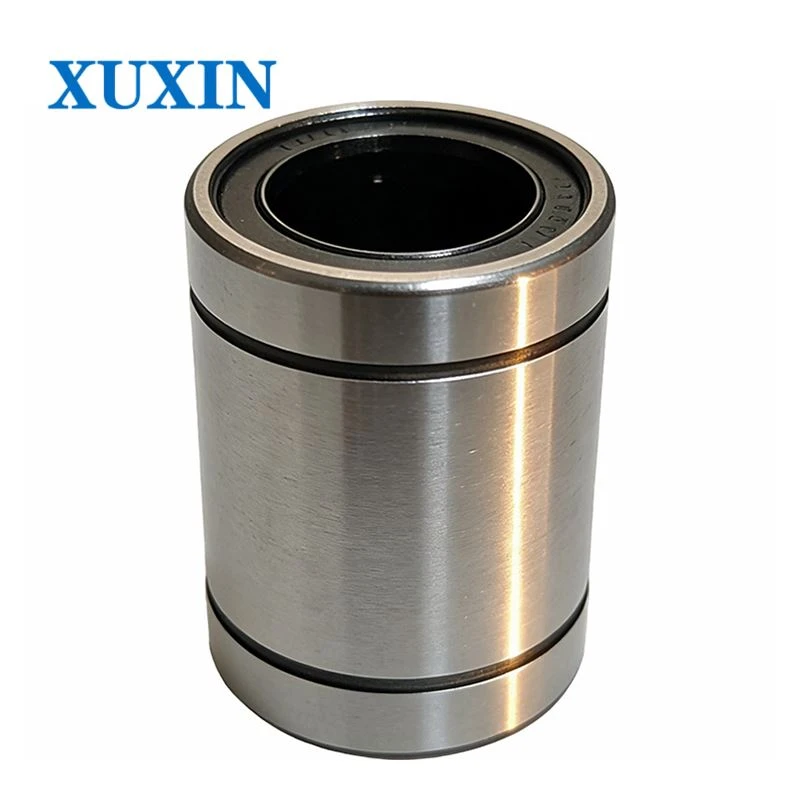
Now, let's talk about Kh Linear Bearings. These bearings are pretty awesome. They're known for their reliability and smooth operation. You can check out more about them here: Kh Linear Bearing. They're used in a wide range of applications, from industrial machinery to robotics.
So, does it need pre - loading? The answer isn't a simple yes or no. It really depends on the specific application.
When pre - loading is a good idea
- High precision applications
- In applications where accuracy is key, like in high - end CNC machines or precision measuring equipment, pre - loading Kh Linear Bearings can be a game - changer. When we pre - load the bearing, we reduce the internal clearance. This means that there's less play between the moving parts of the bearing. As a result, the movement of the bearing is more precise. For example, in a CNC milling machine, a pre - loaded Kh Linear Bearing can ensure that the cutting tool moves exactly where it's supposed to, resulting in a higher quality finished product. If you're into high - precision stuff, you might also be interested in High Precision Linear Bearings.
- High - speed applications
- When the bearing is operating at high speeds, pre - loading can help improve stability. At high speeds, the forces acting on the bearing can be quite significant. Without pre - loading, the balls or rollers inside the bearing might start to move around erratically, causing vibrations and reducing the overall performance of the system. By pre - loading the Kh Linear Bearing, we keep the rolling elements in place, reducing vibrations and ensuring a smoother operation. For instance, in a high - speed conveyor belt system, a pre - loaded bearing can prevent the belt from wobbling and ensure a consistent flow of products.
- Heavy load applications
- If the Kh Linear Bearing is going to be subjected to heavy loads, pre - loading can enhance its load - carrying capacity. When we pre - load the bearing, we distribute the load more evenly across the rolling elements. This helps prevent premature wear and failure of the bearing. In a large - scale industrial press, for example, a pre - loaded Kh Linear Bearing can handle the massive forces involved in the pressing operation without breaking down easily.
When pre - loading might not be necessary
- Low - speed and light - load applications
- In applications where the speed is low and the load is light, like in a simple drawer slide or a small hobby project, pre - loading might not be worth the effort. The internal clearance of the Kh Linear Bearing is usually sufficient to handle these types of loads without any issues. In fact, adding pre - loading in these cases might even make the operation of the bearing a bit more difficult, as it requires more force to move the bearing. For example, in a small wooden drawer in a home office, a non - pre - loaded Kh Linear Bearing will work just fine.
- Cost - sensitive applications
- Pre - loading a bearing usually adds to the cost. There are additional manufacturing steps involved, and sometimes special tools are required to apply the pre - load accurately. In applications where cost is a major concern, like in some consumer products, it might be more practical to use a non - pre - loaded Kh Linear Bearing. A budget - friendly consumer electronics device might use a non - pre - loaded bearing to keep the production costs down.
How to pre - load a Kh Linear Bearing
If you've decided that pre - loading your Kh Linear Bearing is the way to go, there are a few common methods.

- Spring - type pre - loading
- This is one of the simplest methods. We use a spring to apply a constant force to the bearing. The spring can be placed either axially or radially, depending on the design of the bearing system. The advantage of this method is that it's relatively easy to implement, and the pre - load can be adjusted by changing the stiffness of the spring.
- Interference - fit pre - loading
- In this method, we use an interference fit between the bearing and its housing or shaft. By making the housing slightly smaller or the shaft slightly larger than the bearing, we create a pre - load when the bearing is installed. This method provides a more permanent pre - load, but it requires precise machining to ensure the correct amount of interference.
Conclusion
So, as you can see, whether a Kh Linear Bearing needs pre - loading depends on a variety of factors. It's all about finding the right balance between the requirements of the application, the performance of the bearing, and the cost. If you're still not sure whether pre - loading is right for your specific situation, don't hesitate to reach out. We're here to help you make the best decision for your project. And if you're looking for different types of linear bearings, you might also want to check out LM H UU Linear Bearing.
If you're interested in purchasing Kh Linear Bearings or have any questions about pre - loading or other aspects of our products, feel free to contact us for a friendly chat and some great deals. We're always happy to help you find the perfect bearing solution for your needs.
References
- "Linear Motion Technology Handbook" by various industry experts.
- Manufacturer's guidelines for Kh Linear Bearings.