

In the realm of precision engineering and automation, Micro Linear Rails play a pivotal role in ensuring smooth and accurate linear motion. As a trusted supplier of Micro Linear Rails, I am often asked about the load - bearing capacity of these essential components. In this blog, we will delve into the factors that influence the load - bearing capacity of Micro Linear Rails, explore real - world applications, and provide insights to help you make informed decisions for your projects.
Understanding Micro Linear Rails
Micro Linear Rails, as the name suggests, are compact linear motion components designed for applications where space is limited and high precision is required. They are commonly used in industries such as semiconductor manufacturing, medical equipment, and 3D printing. The Micro Linear Rail offers several advantages, including low friction, high rigidity, and excellent repeatability.
Factors Affecting Load - Bearing Capacity
The load - bearing capacity of a Micro Linear Rail is determined by several key factors:
1. Rail Size and Geometry
The physical dimensions of the rail, such as its width, height, and cross - sectional shape, have a significant impact on its load - bearing capacity. Generally, larger rails can support greater loads. For example, a wider rail provides a larger contact area, which distributes the load more evenly and reduces stress on the rail and the rolling elements.
2. Rolling Element Type and Number
Micro Linear Rails typically use balls or rollers as rolling elements. Balls offer lower friction and higher speeds, while rollers can support higher loads due to their larger contact area. The number of rolling elements also affects the load - bearing capacity. More rolling elements can distribute the load more effectively, increasing the overall capacity of the rail.
3. Material Properties
The materials used in the rail and the rolling elements play a crucial role in determining the load - bearing capacity. High - quality materials with good mechanical properties, such as high hardness and toughness, can withstand higher loads without deformation. For example, rails made of hardened steel or ceramic materials are often used in high - load applications.
4. Preload
Preload is the initial force applied to the rolling elements in the rail. It helps to eliminate backlash and improve the stiffness of the system. A proper preload can increase the load - bearing capacity of the rail by ensuring that the rolling elements are in constant contact with the rail, distributing the load more evenly. However, excessive preload can also increase friction and reduce the service life of the rail.
Calculating Load - Bearing Capacity
The load - bearing capacity of a Micro Linear Rail is usually specified by the manufacturer in terms of dynamic load rating and static load rating.
Dynamic Load Rating
The dynamic load rating is the maximum load that the rail can withstand under continuous motion without experiencing excessive wear or failure. It is typically measured in Newtons (N) or pounds - force (lbf). The dynamic load rating takes into account factors such as the speed of the motion, the type of rolling elements, and the operating conditions.
Static Load Rating
The static load rating is the maximum load that the rail can withstand when it is stationary. It is important to consider the static load rating when the rail is subjected to heavy loads during installation or when the system is at rest.
To calculate the actual load - bearing capacity for a specific application, you need to consider the type of load (e.g., radial, axial, or moment load), the operating conditions (e.g., speed, temperature, and humidity), and the expected service life of the rail.
Real - World Applications
Micro Linear Rails are used in a wide range of applications where high precision and reliability are required. Here are some examples:
Semiconductor Manufacturing
In semiconductor manufacturing, Micro Linear Rails are used in wafer handling systems, lithography equipment, and inspection machines. These applications require extremely high precision and repeatability to ensure the accurate placement and movement of wafers. The load - bearing capacity of the rails is crucial to support the weight of the wafers and the associated equipment.
Medical Equipment
Medical devices such as surgical robots, diagnostic imaging equipment, and infusion pumps rely on Micro Linear Rails for smooth and precise linear motion. The load - bearing capacity of the rails is important to ensure the stability and accuracy of these devices, especially when they are handling delicate medical instruments or patient - related components.
3D Printing
3D printers use Micro Linear Rails to control the movement of the print head and the build platform. The load - bearing capacity of the rails affects the quality and accuracy of the printed objects. A higher load - bearing capacity can support larger and heavier print heads, allowing for faster printing speeds and larger print volumes.
Choosing the Right Micro Linear Rail
When selecting a Micro Linear Rail for your application, it is important to consider the following factors:
Load Requirements
Determine the maximum load that the rail will need to support. Consider both the static and dynamic loads, as well as the type of load (radial, axial, or moment). Make sure to choose a rail with a load - bearing capacity that is sufficient for your application.
Precision and Repeatability
Depending on the application, you may require a high level of precision and repeatability. Look for rails that offer low friction, high rigidity, and excellent repeatability to ensure accurate linear motion.
Operating Conditions
Consider the operating conditions of your application, such as temperature, humidity, and dust. Some rails are designed to operate in harsh environments, while others are more suitable for cleanroom applications.
Cost - Effectiveness
Balance the performance requirements of your application with the cost of the rail. Look for a rail that offers the best value for money without compromising on quality.
Case Study: Hgr20 Linear Guide Rail
The Hgr20 Linear Guide Rail is a popular choice for many applications due to its high load - bearing capacity and excellent performance. This rail is designed with a compact size and a high - precision ball - screw drive system, making it suitable for applications where space is limited and high accuracy is required.
The Hgr20 Linear Guide Rail has a dynamic load rating of [X] N and a static load rating of [Y] N, which makes it capable of supporting a wide range of loads. It is commonly used in semiconductor manufacturing, medical equipment, and automation systems.
Miniature Linear Slide and Load - Bearing Capacity
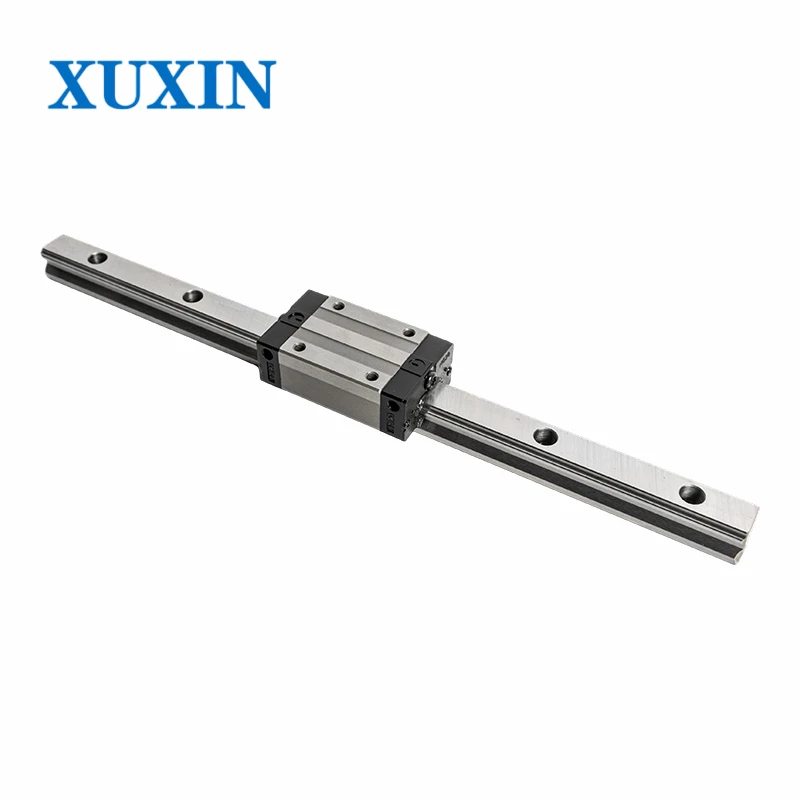
The Miniature Linear Slide is another important component in linear motion systems. It consists of a rail and a carriage, and it provides a smooth and accurate linear motion. The load - bearing capacity of a Miniature Linear Slide is also influenced by factors such as the rail size, rolling element type, and material properties.
When choosing a Miniature Linear Slide, it is important to consider the load requirements of your application. Make sure to select a slide with a load - bearing capacity that can support the weight of the moving parts and any additional loads.

Conclusion
The load - bearing capacity of Micro Linear Rails is a critical factor in the design and performance of linear motion systems. By understanding the factors that influence load - bearing capacity, calculating the actual requirements for your application, and choosing the right rail, you can ensure the reliability and accuracy of your system.
If you are looking for high - quality Micro Linear Rails for your project, we are here to help. As a leading supplier of Micro Linear Rails, we offer a wide range of products with different load - bearing capacities and features to meet your specific needs. Contact us today to discuss your requirements and start a procurement negotiation. We are committed to providing you with the best solutions and excellent customer service.
References
- "Linear Motion Handbook" by Thomson Industries
- "Precision Linear Motion Technology" by Bosch Rexroth
- Industry standards and specifications for linear motion components