

Hey there! I'm a supplier of Hgr Rails, and today I'm gonna chat about how to handle WebSocket connections in Hgr Rails. It's a topic that can seem a bit daunting at first, but with the right approach, it's totally doable.
What Are WebSocket Connections?
Before we dive into handling WebSocket connections in Hgr Rails, let's quickly go over what WebSocket connections are. WebSocket is a protocol that provides full-duplex communication channels over a single TCP connection. In simpler terms, it allows for real - time communication between a client (like a web browser) and a server.
This is super useful in many web applications, especially those that require real - time updates, like chat applications, live dashboards, and online gaming platforms. When it comes to Hgr Rails, handling WebSocket connections can enhance the user experience by providing real - time data to users without having to constantly refresh the page.
Setting Up Your Hgr Rails Environment
First things first, if you're working with Hgr Rails, you need to make sure your environment is set up correctly. You can start by ensuring you have the latest version of Ruby and Rails installed on your system. Hgr Rails has its own set of requirements, so double - check the Hgr Rails documentation to make sure you're all good.
Once your basic Rails environment is sorted, you'll need to add the necessary gems for WebSocket support. One popular gem for handling WebSocket in Rails is action_cable. It's built right into Rails and provides a great way to manage WebSocket connections.
To add action_cable to your project, you don't really need to do much as it comes pre - installed in Rails 5 and later. But if you want to double - check, open your Gemfile and make sure there's a line that says gem 'action_cable'. Then, run bundle install in your terminal to install any missing gems.
Creating a WebSocket Channel in Hgr Rails
The core of handling WebSocket connections in Hgr Rails (or any Rails app for that matter) is through channels. Channels in Rails are a way to group related WebSocket functionality. You can think of them as different "rooms" where clients can subscribe to receive specific types of real - time updates.
To create a new channel, you can use the Rails generator. Open your terminal and run the following command:
rails generate channel MyChannel
This will create a few files in your app/channels directory. The main file you'll be working with is my_channel.rb.
In the my_channel.rb file, you'll define what the channel does. For example, you can specify which events it should broadcast and how it should respond to client requests. Here's a simple example of a basic channel:
class MyChannel < ApplicationCable::Channel
  def subscribed
    stream_from "my_channel_stream"
  end

  def unsubscribed
    # Any cleanup needed when channel is unsubscribed
  end
end
In the subscribed method, we're telling the channel to start streaming data from the "my_channel_stream". This means that any client that subscribes to this channel will start receiving updates from this stream.
Connecting to the WebSocket from the Client - Side
On the client - side (usually in a web browser), you'll need to connect to the WebSocket. Rails makes this pretty easy with the action_cable JavaScript library.
First, make sure you include the action_cable JavaScript in your application. In your app/javascript/packs/application.js file, you should have something like this:
import consumer from '../channels/consumer'
Then, you can create a subscription to your channel. Here's how you can do it:
const subscription = consumer.subscriptions.create("MyChannel", {
  connected() {
    // Called when the subscription is ready for use on the server
  },

  disconnected() {
    // Called when the subscription has been terminated by the server
  },

  received(data) {
    // Called when there's incoming data on the websocket for this channel
    console.log(data);
  }
});
In this code, we're creating a subscription to the MyChannel we created earlier. The connected method is called when the connection is successfully established, the disconnected method is called when the connection is lost, and the received method is called whenever the client receives new data from the server.
Broadcasting Data from the Server
Now that we have the client connected to the WebSocket, we need to be able to send data from the server. In Rails, you can use the ActionCable.server.broadcast method to send data to all clients subscribed to a particular channel.
Here's an example of how you can broadcast data from a controller action:
class SomeController < ApplicationController
  def send_data
    data = { message: "This is a real - time message!" }
    ActionCable.server.broadcast("my_channel_stream", data)
    head :ok
  end
end
In this example, we're creating a hash with a message and then broadcasting it to all clients subscribed to the "my_channel_stream". The clients' received method will be called with this data, and they can handle it as needed.
Handling Different Types of Linear Guide Rails
When it comes to Hgr Rails, it's also important to understand the different types of linear guide rails. There are various Linear Guide Rail Types available, and each has its own characteristics and use cases.
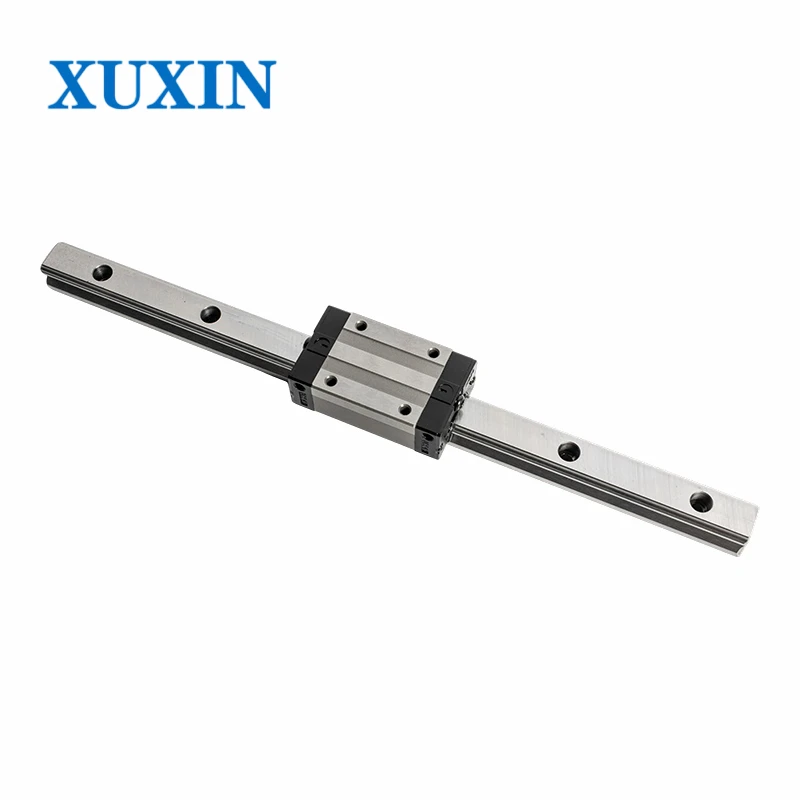

For example, the GHH - CA Linear Guide is known for its high precision and smooth operation. If you're using Hgr Rails in an application where precision is key, like in a CNC machine, the GHH - CA Linear Guide could be a great choice.
Error Handling and Troubleshooting
Handling WebSocket connections isn't always smooth sailing. You might run into issues like connection drops, slow data transfer, or errors in your channel code.
One common issue is the WebSocket connection getting closed unexpectedly. This could be due to network issues, server overload, or incorrect configuration. To handle this, you can add some retry logic on the client - side. For example, you can use a timer to try reconnecting after a certain period of time if the connection is lost.
On the server - side, make sure you're logging any errors that occur in your channels. This will help you diagnose and fix issues quickly. You can use the Rails logger to log errors in your channel code.
Conclusion and Contact for Purchase
Well, that's a wrap on how to handle WebSocket connections in Hgr Rails. It's a powerful feature that can really take your web applications to the next level. Whether you're building a real - time dashboard, a chat app, or an online game, WebSocket connections in Hgr Rails can provide a seamless and engaging user experience.
If you're interested in purchasing Hgr Rails or need more information about how to integrate WebSocket connections into your projects, don't hesitate to reach out. We're here to help you make the most of our products and ensure your applications run smoothly.
References
- Rails Documentation on Action Cable
- Online tutorials on real - time web development with Rails