

What is the temperature rise of a linear bearing during operation?
As a leading supplier of linear bearings, I often encounter questions from customers about the temperature rise of linear bearings during operation. Understanding this phenomenon is crucial for ensuring the optimal performance and longevity of linear bearings in various applications. In this blog post, I will delve into the factors that contribute to temperature rise in linear bearings, the potential consequences, and how to manage it effectively.
Factors Contributing to Temperature Rise
- Friction: Friction is one of the primary causes of temperature rise in linear bearings. When the bearing moves along the shaft, there is contact between the rolling elements (such as balls or rollers) and the raceways. This contact generates friction, which in turn produces heat. The amount of friction depends on several factors, including the load applied to the bearing, the speed of operation, and the quality of the lubrication. For example, if a linear bearing is subjected to a high load or operates at a high speed, the friction will increase, leading to a higher temperature rise.
- Lubrication: Proper lubrication is essential for reducing friction and heat generation in linear bearings. Lubricants create a thin film between the rolling elements and the raceways, which helps to reduce friction and wear. However, if the lubrication is inadequate or the lubricant has degraded over time, the friction will increase, resulting in a higher temperature rise. Additionally, the type of lubricant used can also affect the temperature rise. For instance, some lubricants are designed to operate at higher temperatures, while others are more suitable for lower temperature applications.
- Load and Speed: The load and speed at which a linear bearing operates also have a significant impact on the temperature rise. Higher loads and speeds increase the friction and heat generation, leading to a higher temperature rise. Therefore, it is important to select a linear bearing that is capable of handling the specific load and speed requirements of the application. For example, if a linear bearing is used in a high-speed application, it may be necessary to choose a bearing with a higher dynamic load rating and a lower coefficient of friction.
- Environmental Conditions: The environmental conditions in which a linear bearing operates can also affect the temperature rise. For example, if the bearing is exposed to high temperatures, humidity, or dust, it can increase the friction and heat generation, leading to a higher temperature rise. Additionally, if the bearing is installed in a confined space with poor ventilation, the heat generated by the bearing may not be able to dissipate effectively, resulting in a higher temperature rise.
Consequences of Temperature Rise
- Reduced Lubricant Performance: High temperatures can cause the lubricant in a linear bearing to degrade, reducing its effectiveness in reducing friction and wear. This can lead to increased friction, heat generation, and wear, which can ultimately result in premature bearing failure.
- Expansion and Deformation: As the temperature of a linear bearing rises, the bearing components may expand and deform. This can cause the bearing to become misaligned, leading to increased friction and wear. Additionally, the expansion and deformation of the bearing components can also affect the accuracy and precision of the linear motion system.
- Material Degradation: High temperatures can also cause the material of the linear bearing to degrade, reducing its strength and durability. This can lead to premature bearing failure and increased maintenance costs.
Managing Temperature Rise
- Proper Lubrication: Ensuring proper lubrication is one of the most effective ways to manage temperature rise in linear bearings. It is important to use the right type of lubricant for the specific application and to follow the manufacturer's recommendations for lubrication intervals. Additionally, regular lubrication checks and maintenance can help to ensure that the lubricant is in good condition and that the bearing is operating at optimal performance.
- Load and Speed Management: Managing the load and speed at which a linear bearing operates can also help to reduce temperature rise. It is important to select a linear bearing that is capable of handling the specific load and speed requirements of the application. Additionally, reducing the load and speed can help to reduce friction and heat generation, leading to a lower temperature rise.
- Environmental Control: Controlling the environmental conditions in which a linear bearing operates can also help to manage temperature rise. For example, providing adequate ventilation and cooling can help to dissipate the heat generated by the bearing. Additionally, protecting the bearing from dust, moisture, and other contaminants can help to reduce friction and wear, leading to a lower temperature rise.
- Monitoring and Maintenance: Regular monitoring and maintenance of linear bearings can help to detect and address any issues before they become serious. This includes checking the temperature of the bearing, the lubrication level, and the condition of the bearing components. Additionally, performing regular maintenance tasks such as cleaning, lubrication, and alignment can help to ensure that the bearing is operating at optimal performance.
Examples of Our Linear Bearings
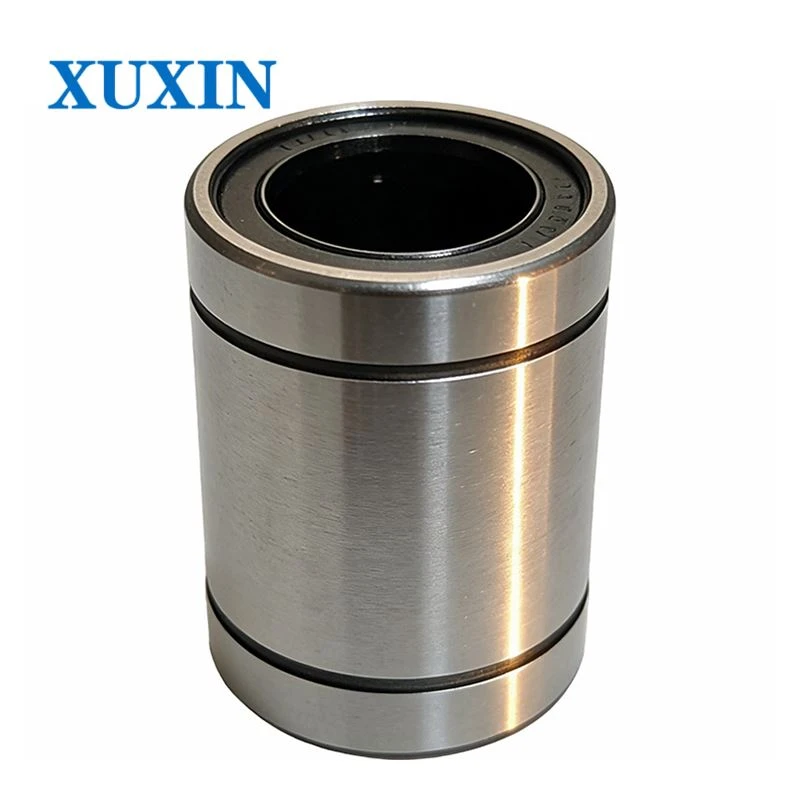
At our company, we offer a wide range of linear bearings to meet the needs of various applications. For example, our Lm 30 Uu Bearing is a high-quality linear bearing that is designed for use in a variety of industrial applications. It features a high load capacity, low friction, and excellent durability, making it ideal for high-speed and high-load applications.
Another example is our High Precision Linear Bearings. These bearings are designed for applications that require high precision and accuracy, such as in the semiconductor and medical industries. They feature a high level of precision and a low coefficient of friction, which helps to reduce heat generation and improve the performance of the linear motion system.
We also offer the Lme 20 Uu Bearing, which is a linear slide rail bearing that is designed for use in applications that require smooth and precise linear motion. It features a compact design, high load capacity, and low friction, making it ideal for use in a variety of industrial applications.
Conclusion
In conclusion, understanding the temperature rise of linear bearings during operation is crucial for ensuring the optimal performance and longevity of these components. By considering the factors that contribute to temperature rise, the potential consequences, and how to manage it effectively, you can ensure that your linear bearings operate at optimal performance and avoid premature failure. If you have any questions or need further information about our linear bearings, please do not hesitate to contact us. We are always happy to help you find the right solution for your application.

References
- "Rolling Bearing Analysis" by Tedric A. Harris
- "Mechanical Design Handbook" by Myer Kutz